
Book An Appointment

The Connection Between Dental Implants and Jawbone Health: Insights for Wellington Patients
If you’re considering dental implants, you may wonder how they impact your jawbone. The relationship between dental implants and jaw health is significant, offering long-term benefits beyond just a beautiful smile. Below, we’ll explore how dental implants can play a vital role in maintaining a healthy jawbone and why this matters for your overall oral well-being.
How Dental Implants Impact Jawbone Health?
Dental implants do more than fill gaps in your smile. They offer a structural advantage that protects and preserves the jawbone. Here’s how:
- Prevention of Bone Loss: When you lose a tooth, the bone underneath begins to shrink. This process, called “bone resorption,” happens because the jaw no longer has the pressure it used to get from a natural tooth. Implants act like real teeth, stimulating the bone and preventing it from deteriorating.
- Natural Function and Stability: Dental implants are anchored directly into the jawbone. This helps distribute the force of chewing evenly, just like a natural tooth would. This even distribution keeps the bone strong and healthy.
- Preserves Facial Structure: Bone loss in the jaw can lead to changes in your facial shape. Over time, this can make you look older. Dental implants maintain bone health, supporting the contours of your face and preventing a sunken appearance.
Why Jawbone Health Matters for Patients?
The health of your jawbone goes hand in hand with oral health. This is because:
- Supports Overall Dental Health: A healthy jawbone is the foundation for strong teeth. If the bone weakens, it can cause problems with neighboring teeth. Dental implants support the jaw, helping to maintain the integrity of your natural teeth.
- Improves Long-Term Oral Function: Chewing and speaking comfortably rely on a stable jaw. Implants ensure that your ability to eat, speak, and smile remains unaffected for years.
- Reduces the Need for Future Dental Work: By choosing implants, you minimize the risk of complications. This can lower the chances of needing more extensive dental work in the future.
Benefits of Dental Implants for Jawbone Health
Dental implants in Wellington offer unique benefits for your jaw that go beyond what other tooth replacement options can provide. Here’s why they stand out:
- Stimulation of Bone Growth: Implants encourage new bone growth around them. This process, known as “osseointegration,” strengthens the bone and keeps it dense. Dentures or bridges do not provide this stimulation.
- Preventing Shifting Teeth: Missing teeth can cause nearby teeth to drift, leading to misalignment. Implants keep your teeth in place, preserving a straight smile and avoiding bite issues.
- No Impact on Nearby Teeth: Unlike traditional bridges, implants don’t rely on neighboring teeth for support. This means your surrounding teeth stay untouched, reducing the chance of future decay or damage.
Understanding the Dental Implant Procedure
If you’re new to the concept of dental implants, it’s helpful to know the basics of the procedure and what to expect:
- Initial Consultation: Your dentist will examine your jaw and take X-rays to determine if you’re a good candidate. This step is crucial to assess the bone density and plan the implant placement.
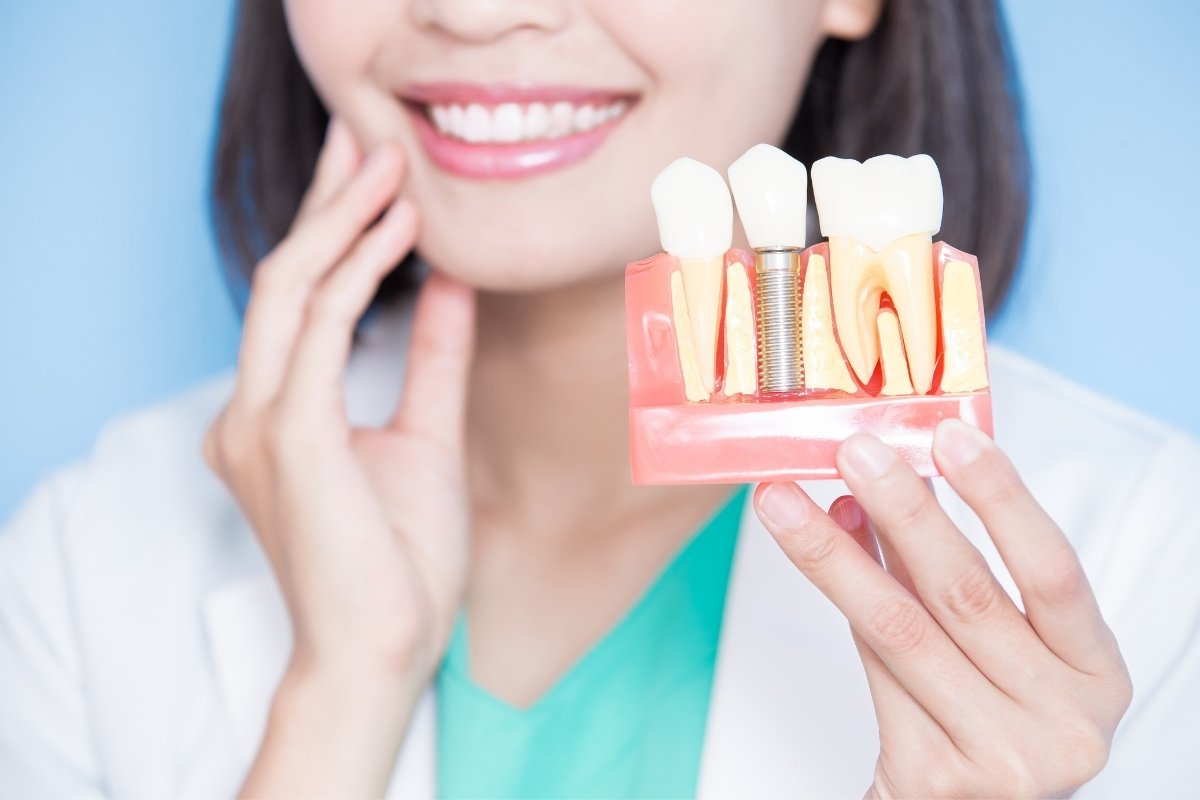
- Implant Placement: The dentist surgically inserts a titanium post into the jawbone. This post acts as the tooth’s root, bonding with the bone over a few months. This period allows for osseointegration, ensuring a secure and stable foundation.
- Abutment and Crown: Once the implant has fully integrated, an abutment is attached. This connector piece will hold the custom-made crown, which matches the color and shape of your natural teeth.
Tips for Maintaining Jawbone Health After Getting Dental Implants
Proper care is essential to ensure the long-term success of your dental implants and to keep your jawbone healthy. Here are some practical tips:
- Regular Dental Check-Ups: Visit your dentist regularly to monitor the health of your implants and jawbone. Early detection of issues can prevent complications.
- Practice Good Oral Hygiene: Brush twice a day, floss daily, and use an antimicrobial mouthwash to keep the implant area clean. This reduces the risk of infection.
- Avoid Hard Foods: While implants are sturdy, chewing hard foods like ice can put unnecessary strain on the implant and the jaw. Opt for softer options when possible.
- Stop Smoking: Smoking can interfere with the healing process of implants and impact bone health. If you smoke, consider quitting for better results.
- Maintain a Healthy Diet: Eat calcium-rich foods and stay hydrated. Proper nutrition supports bone health and ensures your jawbone remains strong.
Why Choose Dental Implants Over Other Options?
Patients often wonder why they should choose dental implants over other solutions like dentures or bridges. Here’s why implants are a superior choice for jaw health:
- Durability and Longevity: Implants are a long-term solution that can last a lifetime with proper care. They don’t need replacement like dentures or bridges.
- Enhanced Comfort: Implants feel and function like natural teeth. There’s no slipping or discomfort, which can be an issue with traditional dentures.
- Better Oral Health: Unlike dentures, implants don’t cause bone loss. Instead, they support and maintain the health of the jawbone, keeping it strong.
Dental implants are more than a cosmetic fix; they are an investment in your oral health. By choosing implants, you’re choosing a solution that strengthens and protects your jawbone for years to come. Maintaining jaw health is crucial for both the function and aesthetics of your smile. For patients, dental implants are a smart choice that offers lasting benefits.